
Maintaining a lush, green, and healthy lawn is essential for any commercial property. A well-kept lawn enhances the aesthetic appeal of your business, creating a welcoming environment for customers and clients. It also reflects positively on your company’s commitment to professionalism and attention to detail. However, achieving and maintaining a beautiful commercial lawn requires more than just occasional mowing. Here at Garden and Gravel, we understand the intricacies of commercial lawn maintenance and are dedicated to helping you keep your green spaces pristine. In this guide, we will explore essential tips and best practices for commercial lawn maintenance.
Understanding Commercial Lawn Maintenance
Commercial lawn maintenance involves a range of services designed to keep the grass, plants, and trees on your property healthy and attractive. Unlike residential lawns, commercial lawns often cover larger areas and require more specialized care. Factors such as foot traffic, weather conditions, and soil quality can significantly impact the health and appearance of your lawn. Therefore, it is crucial to implement a comprehensive lawn care plan that addresses these unique challenges.
Essential Components of Commercial Lawn Maintenance
1. Regular Mowing
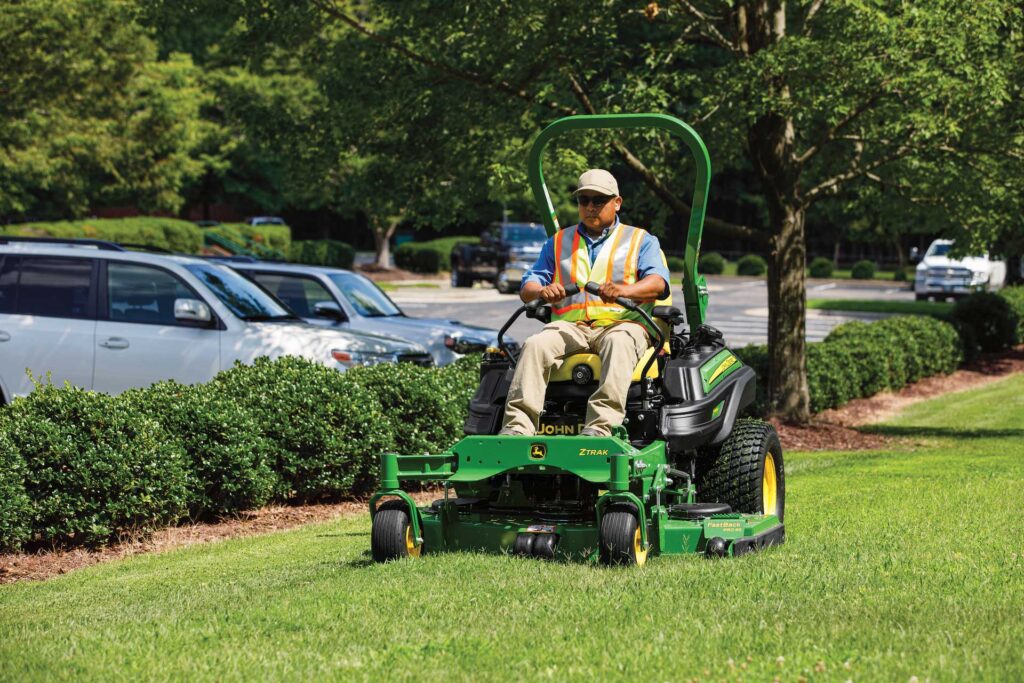
Mowing is the cornerstone of lawn maintenance. It is important to mow your commercial lawn regularly to maintain a uniform height and prevent overgrowth. The ideal mowing height depends on the type of grass you have. For most commercial lawns, maintaining a height of 2.5 to 3.5 inches is recommended. Regular mowing not only keeps your lawn looking neat but also promotes healthy growth by allowing sunlight to reach the grass blades and reducing the risk of disease.
2. Fertilization
Fertilization is vital for providing your lawn with the necessary nutrients to thrive. Commercial lawns require a balanced fertilizer that includes nitrogen, phosphorus, and potassium. The frequency and timing of fertilization depend on the grass type and the local climate. Typically, fertilizing your lawn in the spring and fall provides the best results. Be sure to follow the manufacturer’s recommendations and avoid over-fertilizing, as this can lead to excessive growth and environmental issues.
3. Irrigation
Proper watering is crucial for maintaining a healthy lawn. Commercial lawns often require an irrigation system to ensure consistent and adequate watering. It is essential to water your lawn deeply and infrequently, allowing the water to penetrate the soil and reach the roots. Early morning is the best time to water your lawn, as this reduces evaporation and allows the grass to dry before evening, minimizing the risk of fungal diseases. Adjust your irrigation schedule based on weather conditions and the specific needs of your grass.
4. Weed Control
Weeds can quickly take over a commercial lawn, detracting from its appearance and competing with grass for nutrients and water. Implementing an effective weed control program is essential to keep your lawn looking its best. This may include the use of pre-emergent herbicides to prevent weed seeds from germinating and post-emergent herbicides to target existing weeds. Regularly inspect your lawn for signs of weed growth and address any issues promptly to prevent them from spreading.
5. Pest and Disease Management
Pests and diseases can cause significant damage to commercial lawns if left unchecked. Common pests such as grubs, chinch bugs, and sod webworms can destroy grass roots and create unsightly patches. Similarly, diseases like brown patch, dollar spot, and rust can weaken and discolor your lawn. Implementing an integrated pest management (IPM) approach, which includes monitoring, prevention, and targeted treatments, can help protect your lawn from these threats. Regularly inspect your lawn for signs of pest activity or disease and consult with a lawn care professional if needed.
6. Aeration
Aeration involves perforating the soil with small holes to allow air, water, and nutrients to penetrate the grass roots. This process helps alleviate soil compaction, which can restrict root growth and lead to poor lawn health. Commercial lawns benefit from aeration at least once a year, typically in the fall. Aeration also promotes better drainage, reduces thatch buildup, and enhances the effectiveness of fertilization and irrigation.
7. Overseeding
Overseeding is the process of spreading grass seed over an existing lawn to fill in thin or bare areas and improve overall density. This is particularly beneficial for commercial lawns that experience heavy foot traffic or suffer from damage due to pests or disease. Overseeding helps establish a more robust and resilient lawn, capable of withstanding environmental stress. The best time to overseed is during the fall when temperatures are cooler, and there is less competition from weeds.
8. Seasonal Cleanup
Seasonal cleanup is an important aspect of commercial lawn maintenance. In the fall, it involves removing fallen leaves, debris, and thatch that can smother the grass and create an environment conducive to pests and diseases. In the spring, cleanup involves removing winter debris and preparing the lawn for the growing season. Regular cleanup ensures that your lawn remains healthy and vibrant throughout the year.
Benefits of Professional Commercial Lawn Maintenance
While some businesses may attempt to handle lawn maintenance in-house, partnering with a professional lawn care service like Garden and Gravel offers numerous advantages:
Expertise and Experience
Professional lawn care providers have the knowledge and experience to implement effective lawn maintenance practices tailored to your specific needs. They are familiar with local grass types, soil conditions, and climate, ensuring that your lawn receives the best possible care.
Time and Cost Savings
Maintaining a commercial lawn requires a significant investment of time and resources. By outsourcing lawn maintenance to professionals, you can save valuable time and focus on your core business activities. Additionally, professional services often have access to commercial-grade equipment and products, providing cost-effective solutions for maintaining your lawn.
Consistent Results
Professional lawn care services offer consistent and reliable results. They follow a scheduled maintenance plan, ensuring that all aspects of lawn care are addressed promptly and efficiently. This consistency helps maintain the health and appearance of your lawn year-round.
Enhanced Curb Appeal
A well-maintained lawn enhances the curb appeal of your commercial property, creating a positive first impression for clients and visitors. It reflects your commitment to excellence and attention to detail, which can positively impact your business reputation.
Conclusion
Commercial lawn maintenance is essential for keeping your business property looking its best. By implementing a comprehensive lawn care plan that includes regular mowing, fertilization, irrigation, weed control, pest management, aeration, overseeding, and seasonal cleanup, you can ensure that your lawn remains healthy and attractive throughout the year. Partnering with a professional lawn care service like Garden and Gravel can provide the expertise, time savings, and consistent results needed to maintain your commercial lawn at its best. Contact us today to learn more about our commercial lawn maintenance services and how we can help enhance the beauty and appeal of your green spaces.
